- (210) 555-7398
- [email protected]
- 2022 Gray Fox Creek, San Antonio, TX 78245, USA

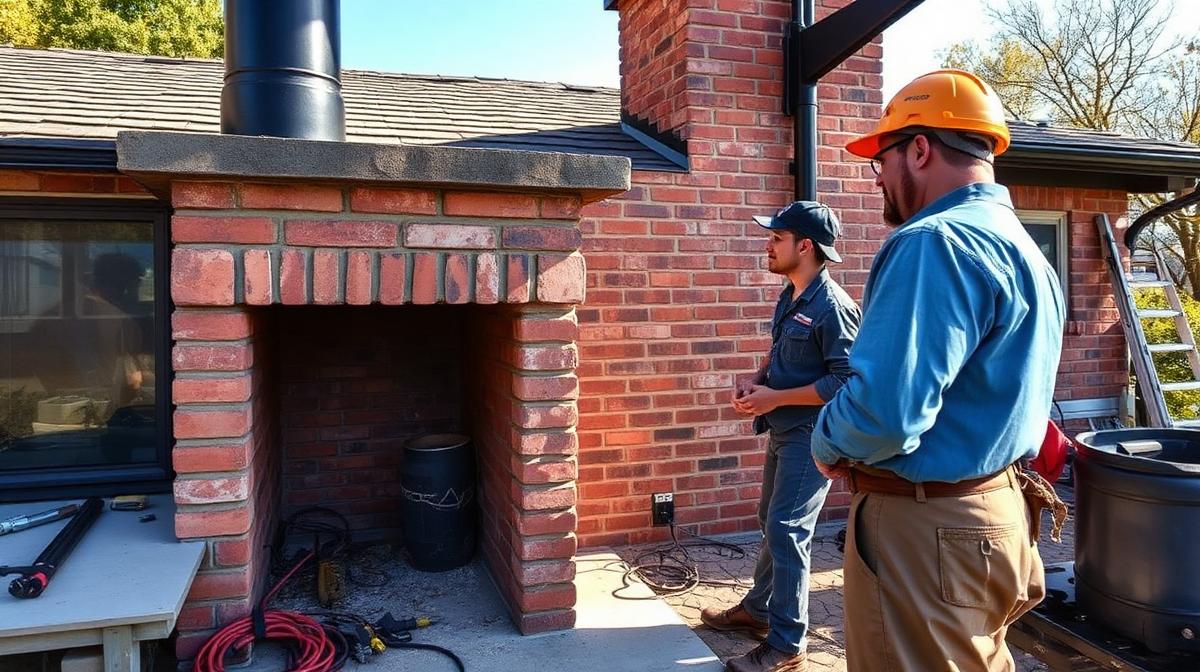
If you are reading this because something about your fireplace feels off, you are not imagining it. In San Antonio, a city with a deep stock of older homes and a climate that swings from humid spring rains to long dry stretches, chimneys take a beating in ways that are easy to miss until a small problem becomes an expensive one. The good news is that most chimney failures announce themselves well in advance. You just need to know what you are looking at, and when to stop poking around and call a professional.
This guide walks through the seven warning signs we see most often, what each one usually means, and how to tell the difference between a maintenance item and an emergency. If you want the short version: strong odors, smoke backing into the room, visible creosote buildup, water stains, crumbling mortar, animal activity, and a flue that has never been inspected are all reasons to act now, not next season.
A fireplace that smells like a campfire when it is not burning is telling you something. That lingering smoke smell usually means creosote and soot have built up inside the flue, and humidity is pulling those odors back into the room. In public discussions, homeowners often report this as a smell that gets worse on warm, damp days or after a rain, which fits our local pattern of humid Gulf air pushing into masonry.
What to check yourself: look up into the firebox with a flashlight. If you see a thick, black, tar-like substance coating the walls, that is creosote buildup, and it is the single most common fuel source for chimney fires. A light dusting of soot is normal between cleanings. A glazed, shiny, or flaky layer is not.
When to stop DIY: do not try to scrape or burn off glazed creosote yourself. It is stubborn, it can reignite, and the tools sold for homeowner use rarely reach the upper flue where the worst deposits sit. This is a job for a trained sweep with the right brushes and a camera.
Smoke spilling into the living room instead of going up the chimney is a classic sign of poor airflow. It can be caused by a partially closed damper, a flue that is blocked by debris or a bird nest, a chimney that is too short for the home, or negative pressure inside the house. The answer capsule here is simple: if smoke comes back into the room, the flue is not drafting properly, and you should not keep burning until it is checked.
Homeowners often describe this as smoke that starts fine and then rolls out once the fire gets going. That pattern points more toward a blockage or a draft problem than a damper issue. Before you call, open a nearby window a crack and see if the smoke reverses. If it does, you are dealing with pressure, not necessarily a clog. If it does not, assume the flue is obstructed.
Do not run a fire in a chimney that is not drafting. Carbon monoxide is colorless and odorless, and a backdrafting flue can push it into your home. If anyone in the house feels dizzy, nauseous, or unusually tired while a fire is burning, put the fire out, ventilate, and get everyone outside.
Creosote is the black, tar-like substance left behind when wood burns incompletely. It comes in three forms: a light soot you can brush away, a flaky black crust, and a glazed, hardened layer that is much harder to remove. All three are flammable. The glazed stage is the one that most often leads to a chimney fire.
You can spot the early stage yourself by shining a light up the flue from the firebox. You can also look at the cap and the top of the chimney from the ground with binoculars. If the cap is heavily stained black, the flue below it is likely worse. What you cannot see from either angle is the middle and upper flue, which is where a camera inspection earns its keep. Homeowners in public forums frequently describe discovering holes in flue mortar joints only after a camera inspection, and those holes are exactly the kind of damage that lets heat and carbon monoxide reach framing.
If your wood is not fully seasoned, or you tend to burn low, smoldering fires, creosote accumulates faster. A professional cleaning removes it safely and lets the sweep tell you whether the flue liner itself is still sound.
Water is the quiet destroyer of chimneys. Look for dark stains on the ceiling or walls near the chimney, rust on the firebox or damper, or a chalky white residue on the exterior brick. That white staining is called efflorescence, and it means moisture is moving through the masonry and leaving mineral salts behind as it dries.
In San Antonio, the combination of heavy spring rains and expansive clay soils puts real stress on chimney foundations and flashing. A chimney that has shifted slightly can open a gap where the roof meets the masonry, and that gap is a direct path for water. Homeowners often report leaks around the chimney after a hard storm and consider tarping the chimney as a temporary fix. Tarping can slow the damage, but it does not address the source, and it can trap moisture if left on too long.
If you see water damage, the two things to check are the flashing at the roofline and the crown at the top. Both are common failure points, and both are repairable. This is also where a certified sweep who can address roof leaks around the chimney is worth more than a cleaning-only service, because the leak and the flue are often part of the same problem.
Step outside and look up at the chimney with a pair of binoculars. You are looking for three things: missing or crumbling mortar between the bricks, brick faces that are flaking or falling away, and a crown that is cracked or separated from the flue.
Crumbling mortar is not just cosmetic. It is the first stage of structural damage. Once water gets into those joints and freezes, or simply expands and contracts with our temperature swings, the damage accelerates. San Antonio residents frequently search for masonry contractors skilled in chimney repair, flashing, and tuckpointing for exactly this reason. Tuckpointing, which is the process of grinding out failing mortar and replacing it, is the right fix when the brick itself is still sound. When the brick is spalling, it may need to be replaced.
Historic homes in and around the older neighborhoods of San Antonio deserve special attention here. Owners of historic homes often worry about aging brick chimneys and the risk of fire from sparks, and that concern is well founded. Older chimneys were often built without modern liners, and the mortar in them is softer than what we use today. If your home predates modern building standards, an inspection is not optional. For restoration work on these older properties, see how we handle historic chimney restoration.
Birds, squirrels, and raccoons all find chimneys appealing, especially in the cooler months. If you hear scratching or flapping, or if you notice nesting material around the firebox, you have a blockage. A missing or damaged cap is usually the invitation. Debris like leaves and twigs can also pile up on top of the damper and restrict airflow, which brings you right back to sign two.
Do not try to smoke animals out or reach into the flue yourself. A professional can remove the obstruction safely and then address the cap so it does not happen again. A properly fitted cap also keeps rain out, which ties directly into the water damage we covered above.
This is the sign that catches the most people, because nothing feels wrong yet. Chimney problems develop slowly and quietly. The national standard is an annual inspection, and the reason is simple: the things that cause chimney fires and carbon monoxide leaks are usually invisible from the living room. A camera inspection can reveal holes in flue mortar joints, cracked liner tiles, and early creosote glazing long before you would notice a symptom.
If you cannot remember the last time your chimney was cleaned or inspected, that is your answer. Residents frequently ask for recommendations for chimney cleaner companies in San Antonio, and the honest advice is to look for a local, verifiable provider rather than whoever answers the phone first. Consumers have warned about fake chimney service companies that use fake reviews and call centers, so it pays to check that the company is actually local and that the person who shows up is the person you hired.
If you have a commercial or institutional flue rather than a home fireplace, the same logic applies but the stakes are higher. if that is your situation.
The honest answer is that pricing depends on the chimney, the level of service, and what the inspection finds. A standard cleaning and inspection is one price; a chimney that needs a liner, flashing repair, or tuckpointing is a different project. What you should expect is a clear, itemized explanation before any work begins.
Homeowners often express concern about quotes that seem high or that add extra charges for additional fireplaces. That is a fair thing to question. A reputable company will explain why a second flue costs more (it is a second flue, with its own cleaning and inspection) and will not surprise you with add-ons after the fact. If a quote is vague, ask for a breakdown. If the company cannot or will not provide one, that is a signal.
The 3-2-10 rule is a general guideline for chimney height: a chimney should extend at least 3 feet above the roof surface where it passes through, at least 2 feet above anything within 10 feet of it, and 10 feet away from the roof ridge or other structures. The purpose is to keep the flue above the turbulent air zone so it drafts properly.
If your chimney was built before an addition, a new roofline, or a nearby tree changed the airflow, it may no longer meet the rule even if it once did. Poor draft is often a height or proximity issue rather than a blockage, and that is something an inspection can identify.
A clogged chimney typically shows up as smoke rolling into the room, a fire that is hard to start or burns poorly, a strong smoky smell when the fireplace is not in use, or visible debris falling into the firebox. Any of these means the flue is not moving air the way it should.
What people describe online often matches what we see in the field: a fire that starts fine, then smokes, then goes out. If that is your pattern, stop burning and get the flue checked. Continuing to burn in a clogged chimney is how carbon monoxide and chimney fires happen.
You need an inspection if it has been more than a year since the last one, if you have moved into a home with a fireplace you have never used, if you see any of the seven signs above, or if you have had a chimney fire, even a small one. A chimney fire can damage the liner without you ever knowing it happened.
An inspection is also the right call before you sell a home or after any roof work near the chimney. The Chimney Safety Institute of America maintains the standards that reputable sweeps follow, and asking whether a company works to those standards is a reasonable question.
The decision usually comes down to three questions. Is there any sign of water intrusion? Is there any sign of structural movement? Is there any sign the flue liner is compromised? If the answer to any of those is yes, waiting tends to cost more, not less, because water and heat both make small problems bigger.
If the only issue is a normal creosote buildup and a clean flue, you can schedule routine maintenance and move on. If you are seeing multiple signs at once, treat it as urgent. A chimney that is leaking, spalling, and smoking is a chimney that needs a professional evaluation before the next fire.
If you are not sure which category you are in, that is exactly what an inspection is for. Visit our page on professional stack inspection to see how a thorough evaluation is structured, or call us and we will help you figure out the right next step.
Call a professional if you see any of the seven signs, if you smell smoke when there is no fire, if water is getting in, if the masonry is crumbling, or if it has simply been too long since the last cleaning. Do not wait for a chimney fire to make the decision for you. A cleaning and inspection is a small, predictable cost compared to rebuilding a chimney or repairing a home after a fire.
If you are in San Antonio and you want a straight answer about what your chimney needs, call us. We have been serving this area for 25 years, and we will tell you what we find, what it means, and what your options are. Anyone weighing up options can visit our page first.