- (210) 555-7398
- [email protected]
- 2022 Gray Fox Creek, San Antonio, TX 78245, USA

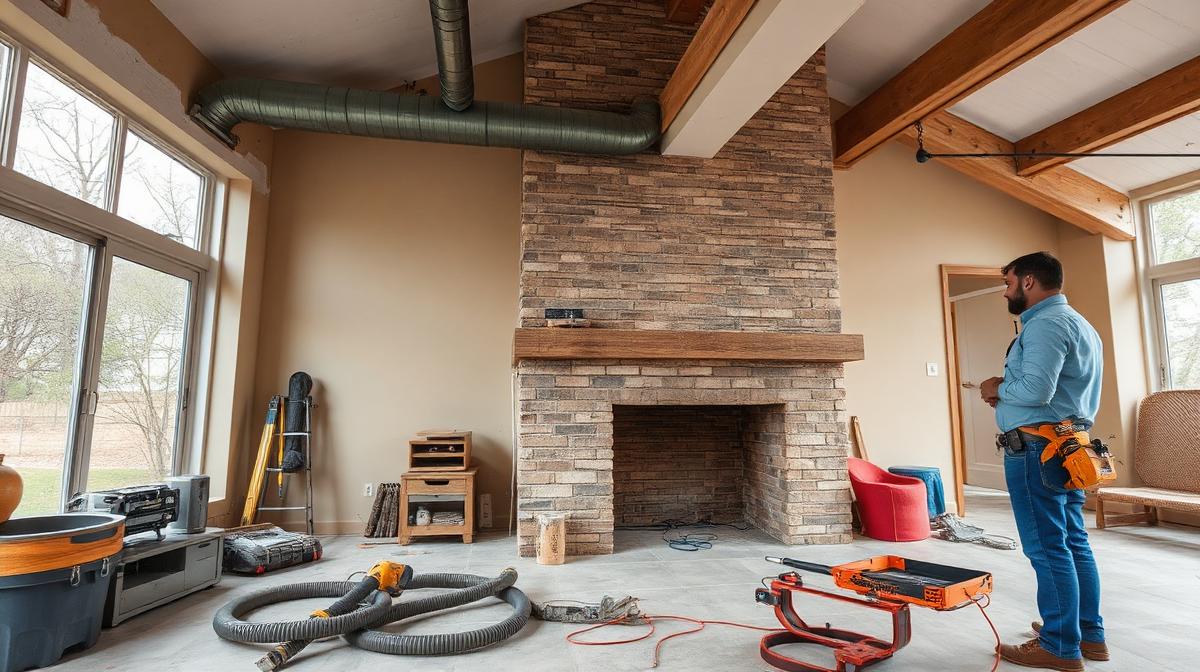
If you have been putting off the annual sweep because you have no idea what a fair number looks like, you are not alone. In public discussions, homeowners often ask about average costs for chimney cleaning and inspection, and they rarely get a straight answer. That is because pricing depends on what the technician finds, not on a flat menu. A straightforward cleaning on a well-maintained masonry fireplace is one job. A cleaning that turns into a crown coat repair, a damper replacement, or a flu relining conversation is another job entirely.
What you can control is knowing what is included, what triggers an add-on, and how to tell a real local company from a call center that farms your address out to whoever answers. This guide walks through the range of work, the local conditions that change it, and the questions worth asking before anyone climbs on your roof.
San Antonio‘s housing stock is unusually varied for a single metro. You have mid-century ranches inside Loop 410, newer builds out toward Stone Oak and Alamo Ranch, and a real concentration of older masonry chimneys in historic districts near downtown and the missions. A 1950s brick chimney that has seen decades of Texas heat cycling is a different animal from a 2015 factory-built unit with a metal chase.
That difference is the single biggest reason quotes vary. Owners of historic homes in San Antonio worry about aging brick chimneys and the risk of fire from sparks, and that worry is well placed. Old mortar joints, spalling brick, and a crown that has cracked after years of sun exposure all show up in the same inspection that starts as a simple sweep. If your chimney is original to a mid-century house, expect the technician to spend real time on the crown, the firebox panels, and the damper before anyone talks about cleaning.
A real inspection is not a glance from the driveway. It covers the firebox, damper, flue, crown, cap, and the visible exterior, plus a check for creosote buildup, cracks, and any obstruction. Homeowners often report discovering serious issues like holes in flue mortar joints during camera inspections, which is the point at which a cleaning turns into a liner installation conversation. That is not a sales tactic; it is what the camera shows.
It also covers things people forget to ask about. Bird and animal removal is a common add-on when a cap has failed or was never installed. Cap installation itself is one of the cheapest preventive items on the list and one of the most skipped. Siding trim replacement, mortar repair, and cracks repair around the chase all fall into the same category: small now, expensive later.
What an inspection does not include is a repair quote you can trust sight unseen. Anyone who gives you a firm rebuild number over the phone before looking at the firebox is guessing.
Once a year for most households, and more often if you burn frequently or notice heavy creosote. In public discussions, homeowners question how often chimney cleaning is needed, and the honest answer depends on how many fires you light and what you burn. A fireplace used a handful of times each winter may only need an annual inspection. A household that burns daily through the cool months, or burns green or unseasoned wood, will build creosote faster and should be checked more often.
Carbon monoxide is the quiet risk here. A blocked or damaged flue does not always announce itself with smoke in the room. A cracked crown coat or a shifted flue tile can let combustion gases vent into spaces they should not. That is why the inspection matters as much as the cleaning.
The most common upgrade paths are predictable once you know them. A crown coat rebuild happens when the concrete at the top of the chimney has cracked and is letting water in. A firebox panels replacement happens when the brick inside the firebox has spalled or the mortar has failed. Damper repair or replacement happens when the damper no longer seals, which means you are losing conditioned air up the flue year-round. Flu relining is the big one, and it comes up when the camera shows gaps that make the chimney unsafe to use.
Chase replacement and fireplace repair rebuild work fall at the far end. These are structural jobs, not maintenance, and they are worth doing properly the first time. If you are looking at that kind of scope, it helps to see how restoration work is handled on older properties, and you can .
Homeowners in San Antonio seek reliable fireplace repair services, often after DIY fixes that may not meet inspection standards. A tube of high-heat sealant around a cracked crown is a temporary patch, not a crown coat repair. A hardware-store cap strapped over a damaged flue is not cap installation in any meaningful sense. The problem is not that the fix was cheap; it is that it can hide the condition a future inspector needs to see.
If you have already tried a DIY repair, say so up front. A good technician will look past the patch and tell you what is actually going on underneath.
Homeowners with fieldstone chimneys face emergency leaks and consider temporary solutions like tarping until proper repair is done. Tarping is a reasonable stopgap during a wet stretch, but it is not a fix, and water that has already entered the chase does not leave on its own. If you are seeing staining on the ceiling near the chimney or damp brick after a storm, that is a leak, not a cleaning issue. It is also the situation where homeowners seek certified chimney sweeps who can also address related issues like roof leaks around the chimney, because the flashing and the masonry have to be looked at together.
Consumers warn about fake chimney service companies that use fake reviews and call centers, and the warning is worth taking seriously. The pattern is consistent: a slick website, a toll-free number, and a dispatcher who cannot tell you who is coming or when. Residents request recommendations for chimney cleaner companies in San Antonio precisely because they want a vetted local service, not a lead broker.
Residents also ask for first-hand experiences and recommendations for chimney sweeps in San Antonio, which tells you that word of mouth still carries weight here. A few practical checks:
For a neutral standard on what a qualified sweep should be checking, the Chimney Safety Institute of America publishes guidance worth reading before you book.
Several factors move the number, and none of them are arbitrary:
When you get a quote, ask what is included and what would trigger an add-on. A company that can explain the tiers up front is usually a company that has done the work many times.
It should include a visual check of the firebox, damper, flue, crown, cap, and exterior, plus a camera inspection of the flue when there is any reason to suspect internal damage. It should also include a written summary of what was found and what, if anything, needs attention.
Ask for photos of anything flagged. A reputable technician will have them, and they turn a vague recommendation into something you can actually evaluate.
Expect inspection pricing to sit below cleaning pricing in most cases, with a combined inspection and cleaning visit costing more than either alone. Exact figures vary by company, chimney height, and what is found, so treat any quote as a starting point rather than a final number.
Homeowners seek expected costs for chimney inspections and rely on local recommendations for trustworthy services, which is exactly the right instinct. The cheapest quote is rarely the cheapest outcome if it skips the camera or the crown.
There is a real difference between a company that has been working in a market for years and one that appeared last season. A long-tenured local team has seen the housing stock, knows what fails first in this climate, and can tell you honestly when a repair can wait and when it cannot. It also means the person who answers the phone is accountable to a local reputation, not a national call center script.
If your property has a commercial or institutional chimney system rather than a residential fireplace, the scope changes again, and you can see our services for industrial boiler stack cleaning here.
Stop and call when you see water staining near the chimney, smell smoke in the room when the fireplace is not lit, notice crumbling mortar, or find that a damper will not close. Stop immediately if you suspect carbon monoxide, and treat it as an emergency.
For everything else, the annual inspection is the moment to get answers. If you are ready to schedule a cleaning, an inspection, or a repair assessment, call us and we will tell you what to expect before anyone arrives.