- (210) 555-7398
- [email protected]
- 2022 Gray Fox Creek, San Antonio, TX 78245, USA

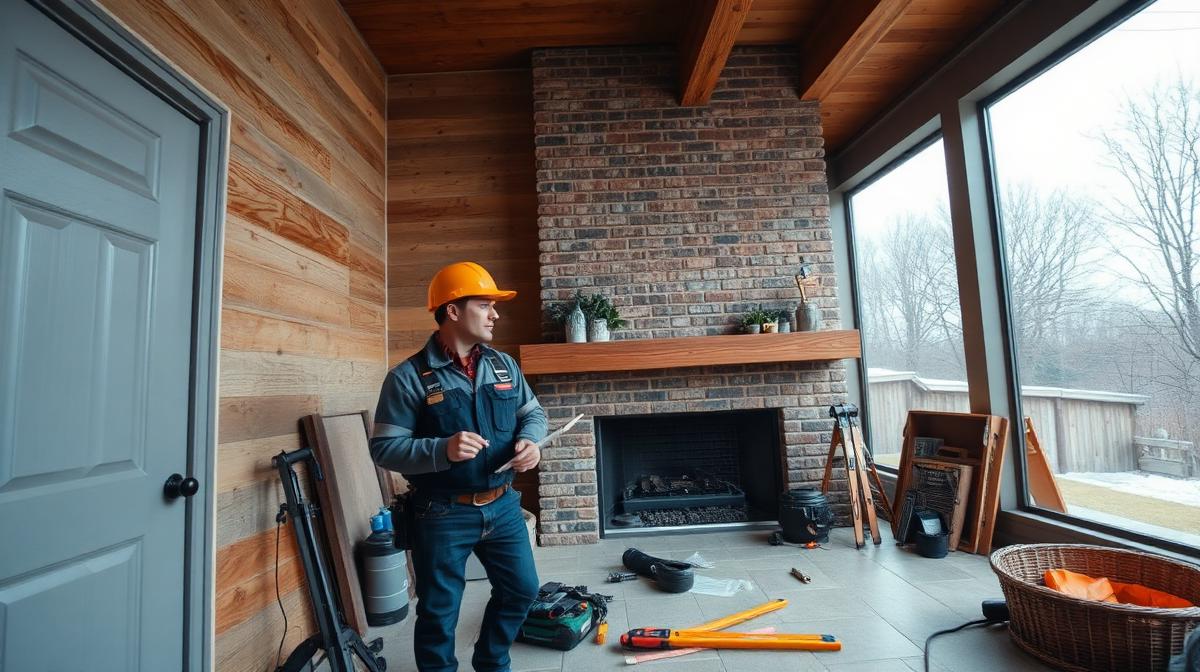
If you are reading this, you probably have a fireplace you have not touched in months. Maybe it came with the house. Maybe you burn a fire on the two or three coldest nights of the year and forget about it the rest of the time. Either way, there is a nagging feeling in the back of your mind: is it actually a problem to skip the chimney sweep when the fireplace just sits there?
The short answer is yes, and the reason is not the fire you did not build. It is what is already inside the flue, what is happening to the masonry around it, and what the Texas climate is quietly doing to the whole assembly while you are not looking. Annual sweeping is not about how often you burn. It is about keeping a system you own from turning into a system that fails.
Every time wood burns, even a handful of times a season, the smoke carries unburned byproducts up the flue. As those gases cool against the cooler walls of the chimney, they condense into a tar-like residue called creosote. Creosote buildup is the single most common fuel source for chimney fires, and it does not need a roaring blaze to ignite. A stray spark or a hot ember hitting a seasoned deposit is often enough.
Here is the part that surprises people: a chimney you use lightly can accumulate creosote just as readily as one you use weekly, because the flue never gets hot enough to dry out between fires. Cool, slow, infrequent burns tend to leave more residue than a hot, well-ventilated fire. That is one of the reasons professionals do not recommend skipping the annual visit just because your fireplace is mostly decorative.
Beyond creosote, there is the rest of the system: the firebox, the damper, the smoke chamber, the flue liner, the crown and the flashing at the roofline. None of those parts care whether you burned wood this year. They degrade from moisture, temperature swings and time. An annual inspection is how you catch those failures before they become repairs.
This is where local context matters. San Antonio homes deal with a specific combination: long, hot, dry summers followed by short, cool, sometimes wet winters, then a spring that swings back and forth. That cycle of heat expansion and overnight contraction works on brick and mortar the same way it works on pavement. Small cracks open, water gets in, and if that water freezes during one of our rare hard freezes, the damage accelerates.
Owners of historic homes in San Antonio worry specifically about aging brick chimneys and the risk of fire from sparks, and that concern is well placed. Older masonry in neighborhoods like Monte Vista, King William, Lavaca and the areas around the historic missions was built to a different standard than what we see in newer construction. The mortar is often softer, the liners are sometimes original clay tile, and the crown may have been patched more than once. Those chimneys do not fail because of one bad winter. They fail because nobody looked at them for a decade.
Fieldstone chimneys add another wrinkle. Homeowners with fieldstone chimneys face emergency leaks and often consider temporary solutions like tarping until proper repair can be done. Tarping is a reasonable stopgap to keep water out of a firebox, but it is not a fix, and it can trap moisture against the stone if it is left on too long. The real answer is repointing, new flashing and a proper crown, which is masonry work, not sweeping work, though the two usually get addressed in the same visit.
Yes. The annual visit is not only a cleaning. It is an inspection, and the inspection is what protects you.
Gas fireplaces and gas log sets do not produce creosote the way wood does, but they do produce their own issues. They can leave debris, they can attract nesting animals, and their venting can be blocked by bird nests, leaves or deteriorated liners. A flue that is blocked on a gas appliance can push carbon monoxide back into the room instead of up and out. That is a safety problem whether or not you ever light a wood fire.
Even a fireplace you never use is an opening in your house. Animals find chimneys. Debris falls in. Rainwater finds its way past a failed crown or a cracked flashing. A chimney sweep who is doing the job properly is checking all of that, not just running a brush up the flue.
A good annual service is more involved than most homeowners expect. It typically includes:
If the sweep finds masonry problems, that is where chimney repair and tuckpointing come in. San Antonio residents frequently search for masonry contractors skilled in chimney repair, flashing and tuckpointing, and the reason is simple: sweeping and masonry are related but not identical trades. A thorough company should be able to tell you which one you need, and a good one will not sell you masonry work you do not need.
Once a year for most homes, and that recommendation holds even when the fireplace is used lightly. If you burn wood regularly through the winter, or if you burn green or unseasoned wood, you may need more frequent service. If you have had a chimney fire, even a small one you put out yourself, you should have the flue inspected before you use the fireplace again.
The logic behind the annual schedule is not arbitrary. It matches the inspection cycle that catches small problems while they are still inexpensive. A cracked crown caught this year is a patch. The same crack caught after two more rainy seasons is a rebuild.
Wood, gas, and pellet appliances each leave a different signature in the flue, and that affects both the cleaning method and what the sweep is looking for. Wood produces creosote and ash. Gas produces moisture and, in some configurations, acidic condensate that can attack a liner over time. Pellet appliances produce fine ash that can pile up in places a homeowner cannot see.
This is one reason a generic “chimney cleaning” is not the same as a proper service. The type of fuel, the type of appliance and the type of flue all factor into what the technician should be doing. If a company cannot tell you what they are looking for in your specific setup, that is a signal.
Consumers warn about fake chimney service companies that use fake reviews and call centers, and it is a real problem in this trade. The pattern is usually the same: a slick website, a national phone number, a technician who shows up in an unmarked truck and immediately finds thousands of dollars of “urgent” problems.
In public discussions, homeowners often report being overcharged by chimney sweeps, with unexpected high bills for what should have been a basic service. Others describe quotes that seem high or that include extra charges for additional fireplaces that were not mentioned up front. Those complaints are a useful warning sign.
What to look for instead:
Residents ask for first-hand experiences and recommendations for chimney sweeps in San Antonio for exactly this reason: word of mouth is still the most reliable filter in a trade where bad actors exist.
Nothing dramatic, usually, until something is. The slow version looks like this: a small crack in the crown lets water into the masonry. The water freezes and thaws through a winter or two. The mortar between the bricks starts to fail. The flashing pulls away from the roof, and now you have a leak around the chimney that shows up as a stain on a ceiling. By the time you notice, the repair has moved from sweeping to masonry to possibly roofing.
The fast version is a chimney fire. Creosote buildup ignites, the fire burns hot enough to crack the flue liner, and heat reaches the framing of the house. Many chimney fires are small and self-extinguishing, which is why homeowners sometimes do not realize one happened. That is also why the inspection matters: a flue that survived one fire may not survive the next.
Homeowners in San Antonio often seek reliable fireplace repair services after DIY fixes that may not meet inspection standards. Patching a firebox with the wrong mortar, sealing a crown with the wrong product, or “fixing” flashing with caulk can look fine from the ground and fail the first time it is inspected. If you have already tried a DIY repair, it is worth having someone look at it before you rely on it.
A clean flue drafts better. That means less smoke spilling into the room when you do light a fire, less odor, and more of the heat going where you want it. A blocked or partially blocked flue does the opposite: it can push smoke and carbon monoxide back into your living space. For anyone with asthma, allergies or young children in the house, that is a meaningful difference.
Regular maintenance also protects the appliance itself. A wood stove or fireplace insert that is running with a restricted flue works harder and burns dirtier, which accelerates creosote buildup and shortens the life of the unit. The annual visit is cheap insurance against replacing a system that did not need to fail.
If you have never had the chimney looked at, or it has been more than a year, that is your answer. If you have noticed any of the following, do not wait for the annual cycle:
Any of those can point to a problem that a sweep or a masonry repair needs to address. For older homes with original brick and clay liners, the restoration work we do on historic mission area homes is often the right starting point, because the fix is as much about preserving the original masonry as it is about safety.
Pricing in this trade varies for legitimate reasons: the number of flues, the accessibility of the roof, the amount of creosote, and whether the visit includes a camera inspection. What is not legitimate is a quote that changes after the technician is already on your roof, or a bill that arrives with charges you never agreed to.
Homeowners express concerns about chimney sweep pricing, questioning quotes that seem high or include extra charges for additional fireplaces. That is a fair concern. The way to manage it is to ask, before booking, exactly what the base price covers and what would trigger an additional charge. A straight answer to that question tells you a lot about the company.
If your chimney needs more than a sweep, such as repointing, a new crown or liner work, that is a separate scope and should be quoted separately. You can see how we handle larger stack and flue cleaning work if you want a sense of how we scope bigger jobs, though most residential chimneys fall into the standard annual service category.
Yes. An unused chimney still collects debris, can host animals, and is exposed to weather that degrades the masonry and flashing.
The fireplace being cold does not stop water, animals or time from doing their work. An annual inspection is the only way to know whether the flue is clear and the structure is sound. For a gas appliance, the stakes are even higher because a blocked flue can affect indoor air quality and carbon monoxide safety.
For most homes, yes. Annual service is the standard recommendation, and it applies whether you burn wood weekly or a few times a season.
The reason is that the inspection catches problems early. Sweeping is part of the visit, but the value is in knowing the condition of the liner, the crown, the flashing and the firebox. Skipping a year is not automatically a disaster, but skipping several in a row is how small issues become structural ones.
It is a rule of thumb for chimney height: a chimney should extend at least 3 feet above the roof where it passes through, and at least 2 feet above anything within 10 feet of it.
The purpose is draft. A chimney that is too short or too close to a nearby roof line, tree or structure can draft poorly, which means smoke and gases do not leave the way they should. If you have noticed smoke spilling into the room, this is one of the things a technician will check. You canchimney fire safety reference page.
You are not legally required to in most cases, but you are strongly advised to, and many home insurance policies expect regular maintenance.
The practical answer is that the cost of an annual visit is small compared to the cost of a chimney fire, a masonry rebuild or a water leak that damages ceilings and walls. Treat it the way you treat a furnace tune-up: routine, inexpensive, and the thing that keeps a bigger bill from showing up later.
A fireplace you rarely use is still a chimney you own. It is still exposed to San Antonio’s heat, its occasional freezes, and its rain. It still has a flue that can collect creosote, a crown that can crack, and flashing that can pull loose. None of that waits for you to light a fire.
Annual sweeping is not about how often you burn. It is about knowing the condition of the system before a small problem turns into a dangerous one. If it has been more than a year, or if you have never had it looked at, call us to schedule a visit. We will tell you what we find, what it needs, and what it does not. If you need the matching local page for this kind of job, find out more.