- (210) 555-7398
- [email protected]
- 2022 Gray Fox Creek, San Antonio, TX 78245, USA

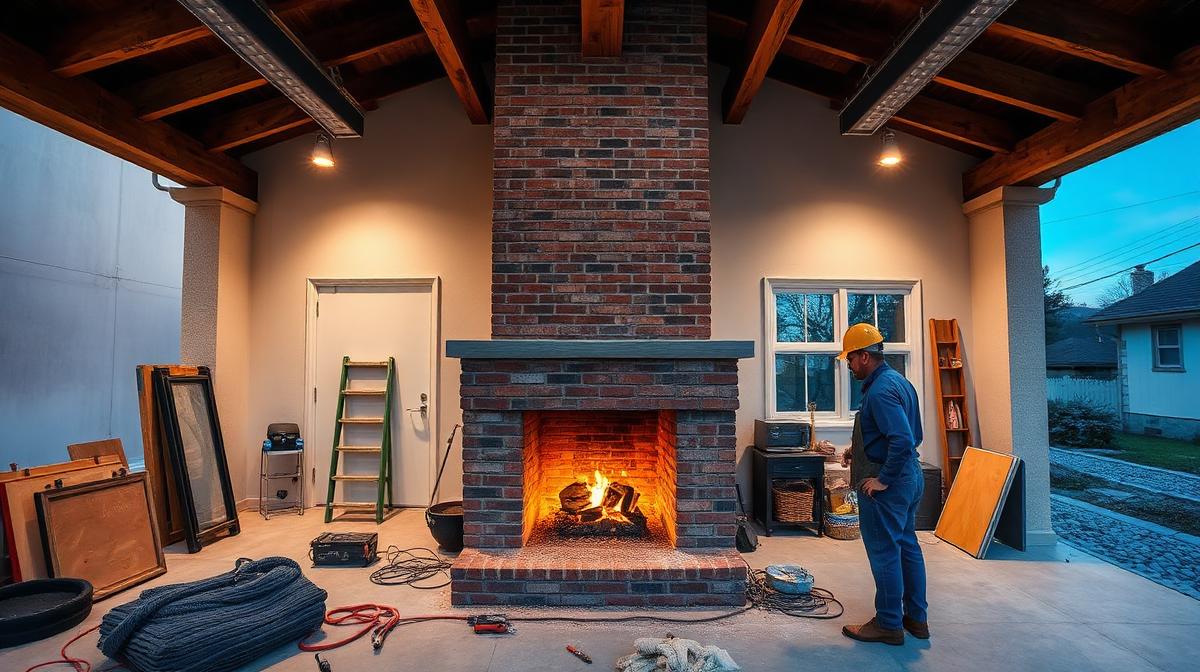
You asked for a simple sweep and the number that came back felt like a punch in the gut. Maybe you own a home near Monte Vista or Beacon Hill, or you are in an older place closer to Southtown, and the quote came in at a level that made you wonder if the whole industry is guessing. That reaction is normal, and it is not naive. In public discussions, homeowners often report being overcharged for basic services, and people regularly question quotes that seem high or that suddenly include extra charges for additional fireplaces. So before you assume you are being taken, or before you pay something you cannot justify, let us walk through what actually sits behind a number like that.
What follows is not a defense of high pricing. It is a breakdown of the moving parts, the questions worth asking, and the point where a quote stops being about cleaning and starts being about repair.
A sweep price is rarely one job. It is a bundle: access, inspection, cleaning, and whatever condition the flue is in once someone can actually see it.
The first driver is access. A chimney on a steep roof, or one boxed in by a metal cap or a tight chase, takes more time and more safety setup than one you can reach from a flat section. The second is the number of flues. A single fireplace is one thing. A home with a fireplace plus a furnace flue, or two fireplaces sharing a stack, is more than double the work in some cases because each flue has to be brushed, vacuumed, and checked separately.
The third driver is condition. This is where most of the surprise lives. If the sweep runs a camera and finds holes in the flue mortar joints, you are no longer looking at a cleaning. You are looking at a liner installation, because those gaps let heat and embers reach framing. Homeowners online describe exactly this discovery during camera inspections, and it is one of the most common reasons a “sweep” quote turns into a project quote.
Fourth is crematory, boiler, or commercial flue work. Those are different animals entirely, with different equipment, different safety rules, and different time on site. If your property has one of those systems, the residential pricing conversation does not apply.
Chimney sweeping is expensive because it is skilled, dirty, roof-access work with liability attached, not because the brush costs a lot.
Think about what is actually happening. Someone has to get on your roof safely, protect your interior from soot, run equipment that captures fine dust rather than blowing it into your living room, and then inspect a flue they cannot fully see. That is a trade, not a chore. Liability insurance, ladder and fall protection, HEPA vacuums, rods, brushes, and camera gear all cost money to own and maintain.
Then there is the report. A good sweep leaves you knowing the condition of the flue, the firebox, the damper, the cap, and the flashing. That knowledge is part of what you are paying for. If a company shows up, waves a brush, and hands you a bill with no findings, that is a different value proposition, and a worse one.
One more factor people miss: travel and scheduling. A company that actually serves the wider metro area is spending real time getting to you. That cost is baked into every quote whether it is itemized or not.
A fair quote explains what is included, who is doing the work, and what happens if the inspection finds a problem. A bad quote is vague, urgent, and full of add-ons you did not ask about.
Here is a practical way to read any number you receive:
That last point matters more than it used to. Consumers warn about fake chimney service companies that use fake reviews and call centers, where the person on the phone is not connected to the crew on your roof. If you cannot reach a real local office or get a straight answer about who is coming, that is your signal to slow down.
Residents ask for first-hand experiences and recommendations for chimney sweeps in this area, which tells you the market is full of uncertainty. People want a name they can trust, not a coupon.
They also ask for certified sweeps who can handle the connected problems, and roof leaks around the chimney come up constantly. That is because a chimney is a roof penetration, and when flashing fails, water finds a way in. A sweep who understands flashing is worth more than one who only owns a brush.
Owners of historic homes worry about aging brick chimneys and the risk of fire from sparks, and that worry is well founded. Older masonry in this region has been through decades of heat, occasional freezes, and shifting soil. Those cycles open joints, spall brick faces, and loosen mortar. When residents search for masonry contractors skilled in chimney repair, flashing, and tuckpointing, this is what they are chasing. If your home has that kind of heritage masonry, see how we handle historic chimney restoration here rather than treating it like a standard sweep.
Fieldstone chimneys are their own category. Homeowners with fieldstone stacks face emergency leaks and often consider tarping as a temporary fix until proper repair can happen. Tarping can buy you time, but it is not a repair, and water that keeps getting in will keep damaging mortar and interior finishes.
There is no single correct number, but a fair price reflects scope, access, and inspection depth rather than a flat menu rate.
For a straightforward single-flue residential cleaning with a basic inspection, you should expect a moderate, predictable range. What pushes you above that is complexity: multiple flues, difficult roof access, heavy creosote, or a system that turns out to need repair. What should never push you above it is pressure, a vague “while we are here” upsell, or a second fireplace fee that was never discussed before the visit.
If you want a neutral look at how pricing is structured across the trade, this industry pricing overview is a useful reference point. Use it to sanity check your quote, not to negotiate someone down to a number that does not cover real work.
Some do, and the tell is whether the recommendation is tied to something they can show you. If a camera found holes in the flue mortar joints, that is not an upsell, that is a finding. If someone tells you that you need a full liner without showing you anything, ask to see it.
Legitimate add-ons exist and are worth considering when the condition calls for them: a new cap to keep water and animals out, a damper repair, flashing work, or a liner where the flue is compromised. The difference between a recommendation and an upsell is evidence. Ask for photos, ask for the camera footage, and ask what happens if you wait. A straight answer to that last question tells you a lot about who you are dealing with.
This is also where the fake-review problem shows up. Companies that rely on call centers and manufactured reviews tend to push packages rather than findings. A local crew that has been working in the same area for years has a reputation to protect and will usually be happy to slow down and explain.
If your quote jumped well past a cleaning price, the most likely reason is that the inspection found something structural. The common findings are cracked or spalled brick, deteriorated mortar joints, failed flashing, a damaged crown, or a flue with gaps that need a liner.
At that point you are hiring two skills: sweeping and masonry. Residents here search for masonry contractors who can handle chimney repair, flashing, and tuckpointing because those are the trades that actually fix the cause. A cleaning alone will not stop a leak, and it will not make a compromised flue safe.
If your property runs commercial or institutional equipment rather than a fireplace, the conversation shifts again. Find out more about industrial boiler stack cleaning here, because those systems have their own inspection and safety requirements and should never be handled as a residential sweep.
If water is coming in around the chimney right now, the priority is stopping the intrusion and documenting the damage. Tarping is a reasonable short-term move to keep water out of the house, but it is not a solution, and it should be followed quickly by a proper flashing and masonry assessment.
While you wait for that assessment, keep water away from the base of the chimney, move anything stored near it, and take photos of any interior staining. Those photos help whoever comes out understand how long the leak has been active, which affects how much hidden damage there may be.
The best defense against a bad price is a company that will explain its scope before it starts and show you what it finds. Ask who is coming, ask what the inspection includes, and ask what the price covers. If the answers are clear and the company is local and verifiable, a higher number is often a sign of real work rather than a rip-off.
If you are ready to get a straight answer about your chimney and what it actually needs, call us. We have been serving this area for 25 years, with 1,850 client projects completed and 1,573 clients helped, and we are glad to walk you through what your quote should and should not include.
Texas pricing tracks national norms, with the number driven by flue count, roof access, and inspection depth rather than the state itself.
What separates a low quote from a high one here is usually condition. A clean single flue is a modest job. A flue with mortar joint gaps, failed flashing, or a second fireplace is not. If your quote is at the high end, ask what was found and whether a camera was used. That single question will tell you whether you are paying for work or paying for a script.
A quote at that level usually reflects multiple flues, difficult access, heavy creosote, or a repair finding rather than a simple sweep.
It can also reflect a company that bundles inspection, cleaning, and a condition report into one visit, which costs more upfront but saves you a second trip. The way to know is to ask for the scope in writing. If the scope is one flue and one cleaning, and the price is still high, get a second opinion from another local provider. If the scope includes inspection findings and a plan, you are likely looking at fair value.
A camera inspection is what finds hidden flue damage, including mortar joint gaps that a visual check from the roof cannot reveal.
Homeowners regularly discover serious issues like holes in flue mortar joints only during camera inspections, and those findings are exactly what determine whether a liner is needed. If a company quotes a cleaning without offering any look inside the flue, you may be paying for surface work on a system with a hidden problem. Ask whether a camera is part of the visit, and if it is not, ask why.
Verify that the company is local, reachable, and connected to the crew that will actually show up at your home.
Consumers warn about fake chimney services that lean on fake reviews and call centers, so the red flags are worth knowing: no physical local presence, a phone representative who cannot answer technical questions, pressure to decide immediately, and reviews that all sound the same. A real local business will let you ask who is coming, what they will do, and what happens if they find a problem. If those answers are vague, keep looking.
If you would rather talk it through with someone who has been doing this work in the area for decades, visit our page on institutional stack inspection and cleaning for the commercial side, or simply call us about your home. A clear explanation of your quote is the first thing you should get, before any work begins. If that sounds like the situation, chimney sweep san is the closer fit.